
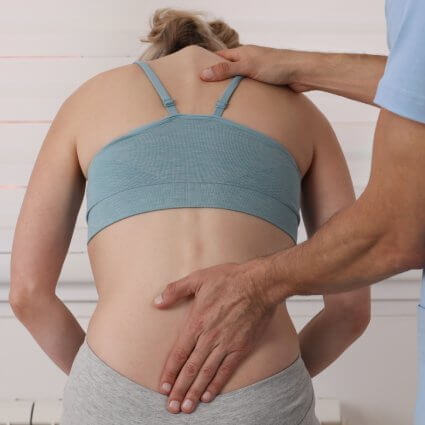
If you have ever felt a sharp, burning pain shoot from your lower back down through your buttock and into your leg, you may already know exactly what sciatica feels like. It is one of the most common and most debilitating musculoskeletal complaints we see at Chiropractic First in Hove, and it is also one of the most misunderstood.
This guide explains what sciatica actually is, what causes it, how it is diagnosed, and — crucially — what you can do about it. If you are struggling with sciatica in Hove, Brighton, or the surrounding area, we hope this helps you understand your options and take the next step towards feeling better.
What Is Sciatica?
Sciatica is not a diagnosis in itself — it is a symptom. It describes pain that travels along the path of the sciatic nerve, which is the longest nerve in the human body. The sciatic nerve begins in the lower back, runs through the buttock, down the back of each leg, and branches out into the foot.
When something irritates or compresses the sciatic nerve or the nerve roots that form it, pain radiates along its path. This is what gives sciatica its distinctive quality: the pain does not stay in one place. It travels.
Common sciatica symptoms include:
- A shooting or burning pain that runs from the lower back or buttock down one leg
- Numbness or tingling in the leg, calf, or foot
- A feeling of weakness in the affected leg
- Pain that worsens when sitting for long periods, coughing, or sneezing
- Pins and needles — often described as the leg “going to sleep”
Symptoms typically affect only one side of the body, though in less common cases both sides can be involved. The severity varies enormously from person to person, from a mild ache to pain severe enough to make standing or walking very difficult.
What Causes Sciatica?
The sciatic nerve can be irritated for a number of reasons, and identifying the cause is an essential part of effective treatment. At Chiropractic First, our thorough initial assessment is designed to do exactly that — to understand not just your symptoms, but the underlying mechanics driving them.
The most common causes of sciatica include:
Disc herniation: One of the most frequent culprits. The discs between your vertebrae act as shock absorbers. When a disc bulges or herniates, its soft inner material can press directly onto a nearby nerve root. In the lumbar spine, this often leads to sciatica.
Spinal stenosis: A narrowing of the spinal canal, more common in people over 50, which can compress the nerves running through it.
Piriformis syndrome: The piriformis muscle, located deep in the buttock, sits very close to the sciatic nerve. When it becomes tight or goes into spasm — often through prolonged sitting or overuse — it can irritate the nerve directly.
Degenerative disc disease: As discs lose height and hydration over time, the spaces where nerves exit the spine can narrow, placing pressure on those nerves.
Spondylolisthesis: A condition where one vertebra slips forward over the one beneath it, which can narrow the nerve canal and irritate the sciatic nerve.
Poor posture and prolonged sitting: Common in office workers, many people in Hove and Brighton spend long hours at a desk. Over time, this can create muscular imbalances and postural strain that places undue pressure on the lower back and nerve roots.
Understanding which of these is driving your sciatica changes how it should be treated. A blanket approach rarely works, which is why we take a detailed case history and conduct a thorough physical examination before recommending any course of care.
How Chiropractic Care Helps Sciatica
Chiropractic care is well-established as an effective, non-invasive approach for many causes of sciatica. Rather than masking pain with medication, chiropractic aims to address the underlying mechanical cause of nerve irritation — restoring proper movement, reducing pressure on affected nerves, and supporting the body’s natural healing process.
A 2025 clinical study found that patients with sciatica who received chiropractic spinal manipulation had significantly reduced reliance on pain medication compared to those receiving standard medical treatment alone, with fewer reported side effects at one year follow-up. This reflects what we see in practice every day.
What treatment at Chiropractic First typically involves:
Spinal adjustments: Gentle, precise manipulation of the vertebrae and joints of the lumbar spine to restore normal movement and reduce pressure on affected nerve roots. Our chiropractors are highly trained in a range of adjustment techniques and will always choose the approach best suited to you.
Soft tissue therapy: Targeted work on the muscles, tendons, and connective tissue surrounding the spine and pelvis — including the piriformis — to release tension, reduce muscle guarding, and support spinal alignment.
Rehabilitation exercises: Specific, graduated exercises prescribed to strengthen the muscles that support your lower back, improve flexibility, and reduce the likelihood of recurrence.
Postural assessment and advice: For many patients, simple changes to how they sit, stand, or move can make a significant difference. We will identify any postural habits contributing to your symptoms and offer practical, evidence-based guidance.
Lifestyle and ergonomic advice: Whether you work at a desk, spend time driving, or have a physically demanding job, we can help you understand how your daily activities are affecting your spine and what adjustments might help.
Most patients begin to notice improvement within the first few sessions, though the timeline varies depending on the severity and duration of symptoms. Our goal is not only to reduce your pain but to understand why it developed — so we can help you avoid it returning.
When Should You See a Chiropractor for Sciatica?
One of the most common mistakes people make is waiting too long before seeking help. Sciatica that is mild or intermittent often responds very well to early chiropractic intervention. When pain is left unaddressed, the surrounding muscles can tighten, movement patterns change, and what started as a relatively simple problem can become more complex.
We would encourage you to consider booking an assessment at Chiropractic First if you are experiencing any of the following:
- Pain, tingling, or numbness that travels from your lower back or buttock into your leg
- Lower back pain that is affecting your sleep, work, or ability to stay active
- Symptoms that have persisted for more than a week or two without improvement
- Recurring episodes of sciatic pain that keep coming back
- Pain that is getting progressively worse rather than settling
⚠ Important: If you develop sciatica alongside loss of bladder or bowel control, or sudden severe weakness in both legs, please seek urgent medical attention immediately. These symptoms, though rare, can indicate a serious condition called cauda equina syndrome that requires emergency treatment.
Why Choose Chiropractic First in Hove?
Chiropractic First is an established chiropractic clinic in Hove with a team of experienced, GCC-registered chiropractors. We have helped hundreds of patients across Hove, Brighton, and the surrounding areas recover from sciatica and lower back pain, and we take pride in delivering care that is thorough, personalised, and evidence-based.
At your initial appointment, we will take time to understand your full history, conduct a detailed physical examination, and explain our findings clearly before recommending any treatment. We believe you should always understand exactly what is happening with your body and why we are recommending a particular course of action.
What to expect at Chiropractic First:
- A detailed initial consultation and examination
- Clear explanation of your diagnosis and the likely causes of your symptoms
- A personalised treatment plan tailored to your needs and goals
- A team of qualified, GCC-registered chiropractors
- A friendly, professional clinic environment in the heart of Hove
Frequently Asked Questions About Sciatica
Is sciatica the same as lower back pain?
How long does sciatica take to get better?
Will I need an MRI before starting treatment?
Can sciatica come back after treatment?
Is chiropractic treatment safe for sciatica?
Ready to Take the Next Step?
If you are suffering from sciatica in Hove or Brighton and want expert, compassionate care from a team who will take the time to understand your problem properly, we would love to help.
Book your initial consultation with Chiropractic First today.
You can book online, call us directly, or simply drop in to speak with our team. We are conveniently located in Hove and see patients from across Brighton & Hove and the wider East Sussex area.
Chiropractic First 82 Goldstone Villas
Hove, BN3 3RU
T: 01273 324466